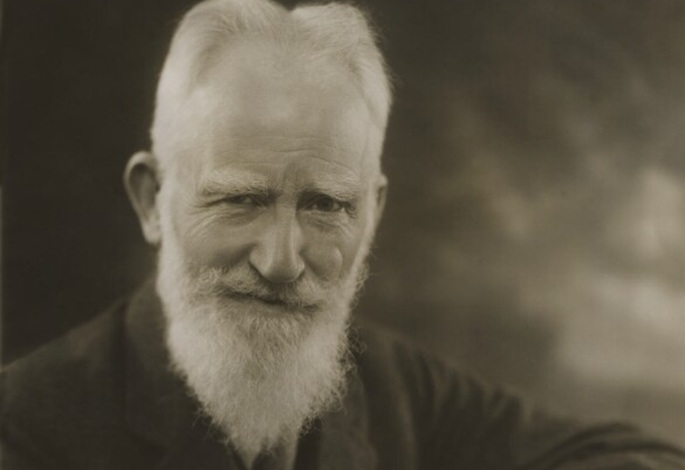
George Bernard Shaw was a prominent Irish playwright, critic, and social reformer, born in Dublin in 1856 to an English Protestant family. He grew up in a challenging household, marked by his father’s alcoholism and his mother’s artistic aspirations. Shaw moved to London at the age of 15, where he pursued literature and became involved in the Fabian Society, advocating for social change through gradual reform. He initially struggled as a novelist but found his voice in theater, becoming a significant figure in modern drama by the 1890s. Shaw’s works…
Month: December 2025
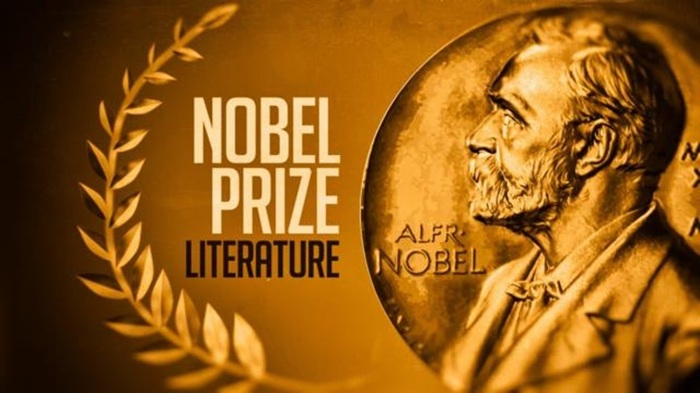
Nobel laureates in Literature
The Nobel Prize in Literature is awarded annually by the Swedish Academy to authors for outstanding contributions in the field of literature. It is one of the five Nobel Prizes established by the 1895 will of Alfred Nobel, which are awarded for outstanding contributions in chemistry, physics, literature, peace, and physiology or medicine. As dictated by Nobel’s will, the award is administered by the Nobel Foundation and awarded by the Swedish Academy.Each recipient receives a medal, a diploma and a monetary award prize that has varied throughout the years. In 1901, the first laureate Sully Prudhomme received 150,782 SEK, which is equivalent to 8,823,637.78 SEK in January 2018. The award…
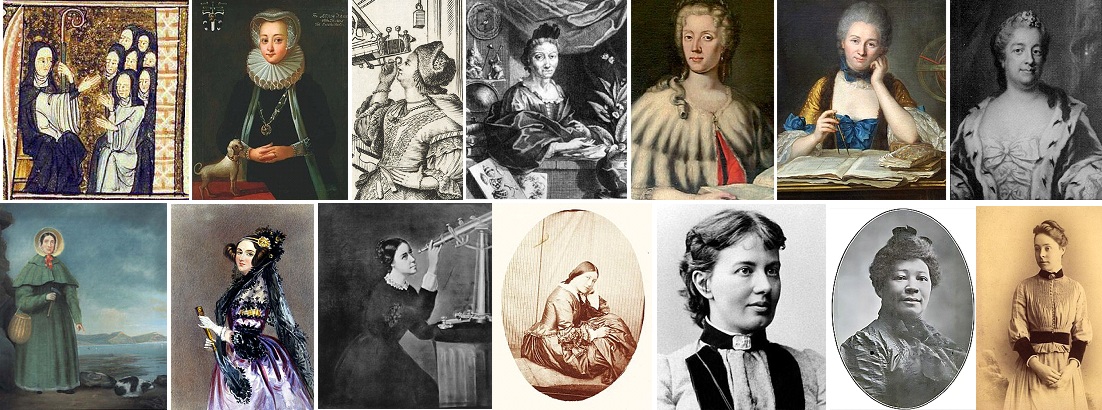
Timeline of women in science
This is a timeline of women in science, spanning from ancient history up to the 21st century. While the timeline primarily focuses on women involved with natural sciences such as astronomy, biology, chemistry and physics, it also includes women from the social sciences (e.g. sociology, psychology) and the formal sciences (e.g. mathematics, computer science), as well as notable science educators and medical scientists. The chronological events listed in the timeline relate to both scientific achievements and gender equality within the sciences. Ancient history 1900 BCE: Aganice, also known as Athyrta, was an Egyptian princess during the Middle Kingdom(about 2000–1700 BCE) working on astronomy…